
Our Variety of Orthodox Tea
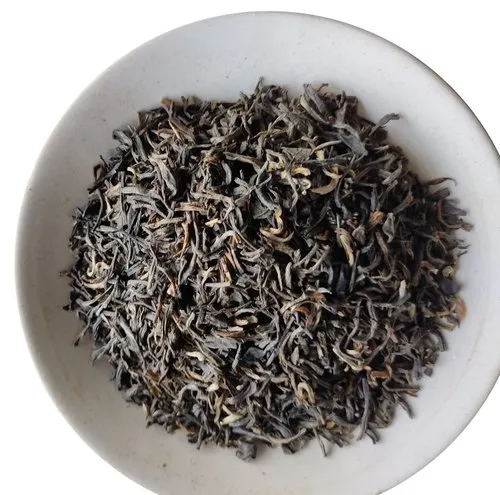
Orthodox tea refers to tea that is produced using traditional methods of processing, as opposed to more modern mechanical methods like CTC (Crush, Tear, Curl). The orthodox process generally involves several key steps:
- Plucking: Hand-picked tea leaves, usually the tender buds and young leaves, are selected to ensure high quality.
- Withering: The leaves are spread out to reduce moisture content and make them pliable for rolling.
- Rolling: The leaves are gently rolled to break the cell walls, which helps release essential oils and enzymes that contribute to flavor and aroma.
- Oxidation: The rolled leaves are allowed to oxidize, which changes their color and develops the flavor profile. This step is crucial for black and oolong teas.
- Drying: Finally, the leaves are dried to stop the oxidation process and preserve the tea.
Orthodox tea is often prized for its complex flavors, aromas, and visual appeal. It can include various types, such as black, green, oolong, and white tea. This method emphasizes quality and craftsmanship, making orthodox tea sought after by tea connoisseurs.
Grades of Orthodox Tea
Commercial export grades of orthodox tea are categorized primarily by leaf size, appearance, and processing method. Here are the main grades:
FTGFOP (Flowery Tippy Golden Flowery Orange Pekoe):
- High-quality tea with many tips (young buds).
- Characterized by a rich aroma and complex flavor.
- Often sought after in premium markets.
TGFOP (Tippy Golden Flowery Orange Pekoe):
- Similar to FTGFOP but with fewer tips.
- Known for a good balance of flavor and aroma.
GFBOP (Golden Flowery Broken Orange Pekoe):
- Consists of broken leaves with golden tips.
- Offers a strong flavor and good infusion.
FBOP (Flowery Broken Orange Pekoe):
- Made from broken leaves, generally a step down from GFBOP.
- Good flavor, often used in blends.
BOP (Broken Orange Pekoe):
- Composed of broken leaves with less emphasis on tips.
- Produces a strong cup and is commonly found in tea bags.
OP (Orange Pekoe):
- Made from whole leaves, not broken.
- Characterized by a lighter flavor compared to broken grades.
PEKOE:
- Larger leaves, generally lower in quality than OP.
- Produces a milder brew.
These grades reflect the quality, processing methods, and characteristics of orthodox tea, catering to various markets and consumer preferences.
Mode of Payment
1. Letter of Credit
2. 100% Advance
3. 70% Advance And Balance 30% After Bl Scan Copy
4. 50% Advance And Balance 50% Cad